
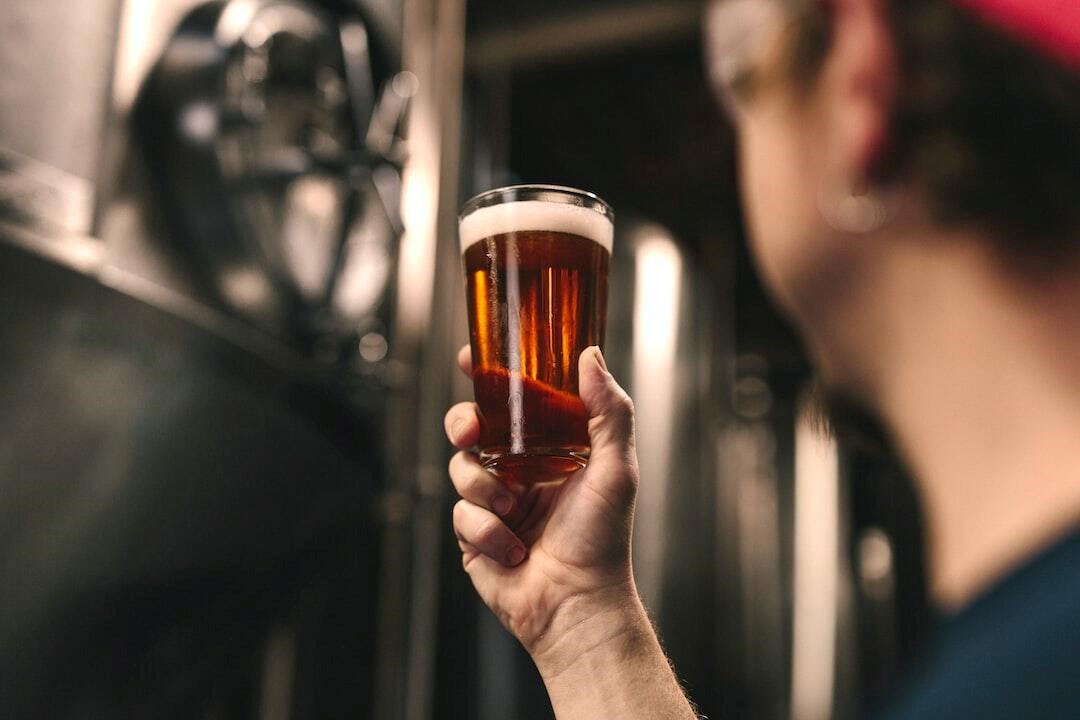
Unveil the origin of beer with Upstream Brewing Company. Explore its rich history and see why it’s more than just a drink. Join us on a flavorful journey through time!
Beer stands as one of the oldest crafted drinks in human history, with origins that trace back thousands of years. The history of beer is closely tied to early human societies that first discovered fermentation as part of grain storage and food production. Over time, these early experiments shaped what would become one of the most widely consumed beverages in the world.
Modern beer production, including the styles we recognize today, is far more recent in comparison. The style of beers people enjoy now are only around 500 years old, evolving significantly from early fermented grain drinks into refined, balanced styles.
At Upstream Brewing Company, that long tradition continues through modern brewing methods that honor the origin of beer while embracing today’s craft approach to flavor and innovation.
The Ancient Origins of Beer and Early Fermentation
Beer production began long before written history, with evidence of fermentation dating back thousands of years. Early societies in Mesopotamia and ancient Egypt likely discovered beer accidentally through stored grains exposed to natural yeast and moisture. These early drinks were very different from modern beer, often thicker, sour, and unfiltered.
As agriculture developed, grains such as barley and wheat became central to daily life. Fermentation provided a way to preserve surplus crops while also creating a safe and nutritious beverage in times when clean water was not always available.
Archaeological findings suggest beer-like drinks may have been made as early as 9,000 years ago in parts of China. These early examples show how widespread fermentation practices were across early civilizations.
The origins of beer are not tied to one single place. Instead, beer production appears to have developed independently in multiple regions as people experimented with grain and storage.
Beer in Ancient Civilizations and Everyday Life
Beer became an important part of daily life in many early societies. In Mesopotamia, it was used as both a nutritional staple and a form of payment for workers. It was often safer than untreated water, which made it a reliable source of hydration.
In ancient Egypt, beer was widely consumed by all social classes, including workers who built large monuments. It also played a role in religious offerings and community gatherings, showing its importance beyond simple nourishment.
Production methods were basic but effective. Grains were fermented in large vessels, and the resulting drink was often consumed quickly due to its short shelf life. It was usually low in alcohol compared to modern standards.
These early traditions helped establish beer as more than just a drink.It became part of social structure, labor systems, and cultural rituals across early civilizations.
Medieval Brewing and the Rise of Brewing Knowledge
During the Middle Ages, beer production became more structured, especially within European monasteries. Monks played a key role in refining brewing techniques and keeping detailed records of ingredients and methods, which helped improve consistency and quality over time.
Hops were gradually introduced as a key ingredient, adding bitterness and acting as a natural preservative. This development helped extend shelf life and made beer easier to transport and store.
Monastic breweries often produced beer for both internal use and for travelers.Brewing became a respected craft, with knowledge passed between communities and regions.
This period helped shape the foundations of modern beer styles. Techniques developed during this time influenced how beer was brewed and consumed for centuries, setting the stage for later innovations in beer production.
Modern Beer Production and the Craft Brewing Movement
Modern beer production began to take shape around 500 years ago with the development of lagering techniques in Central Europe. Controlled fermentation and colder storage methods created clearer, crisper beers that are still popular today.
The Industrial Revolution later expanded beer production on a much larger scale. Advances in refrigeration, transportation, and equipment made beer more consistent and widely available.
Today, craft breweries have brought attention back to flavour diversity and experimentation. Brewers explore everything from hop-forward IPAs to barrel-aged ales, sour beers, and fruit-infused styles.
At Upstream Brewing Company, this tradition continues with a range of beers that reflect both history and innovation. From crisp lagers to complex seasonal releases, modern brewing connects today’s drinkers with centuries of beer production and evolving craftsmanship.
Frequently Asked Questions
How Did Ancient Beer Differ from Modern Beer?
Ancient beer was very different from what is enjoyed today. It was often thick, unfiltered, and slightly sour due to natural fermentation.
Alcohol levels were lower, and it was consumed shortly after production because preservation methods did not exist. Modern brewing allows for clearer, more stable, and more varied styles.
Why Did Beer Spread Across So Many Cultures?
Beer spread because grain fermentation was accessible, adaptable, and tied to agriculture. Different regions used local ingredients, creating distinct styles that suited climate and taste. This flexibility helped beer become a shared global drink across ancient and modern societies.
Why Is Beer History Still Important Today?
Understanding beer origins helps explain how modern brewing developed from simple fermentation into diverse styles. It also highlights how traditions still shape today’s beer production and why craft breweries continue to experiment with flavor while respecting historical brewing methods.
How Does Upstream Brewing Company Reflect Beer History Today?
Modern craft brewing continues many of these traditions while adding innovation and variety. At Upstream Brewing Company, beers such as Firehouse Red Lager, Cave Dweller German Pilsner, and Thunder Chicken Saison show how historical styles have evolved.
Each reflects a different part of beer’s long production history while offering distinct flavor profiles for today’s drinkers.
Experience The Story of Beer at Upstream Brewing Company
The origin of beer shows how simple grain fermentation grew into one of the most diverse drinks in the world. The beer evolution from ancient methods to modern brewing highlights how culture, agriculture, and innovation shaped every pint.
At Upstream Brewing Company, that history continues through carefully crafted beers inspired by both tradition and creativity. From classic lagers to bold seasonal releases, every pour reflects a different chapter in beer’s long journey.
Visit us to explore the full range, enjoy fresh craft beer, and experience how centuries of brewing history come together in every glass.